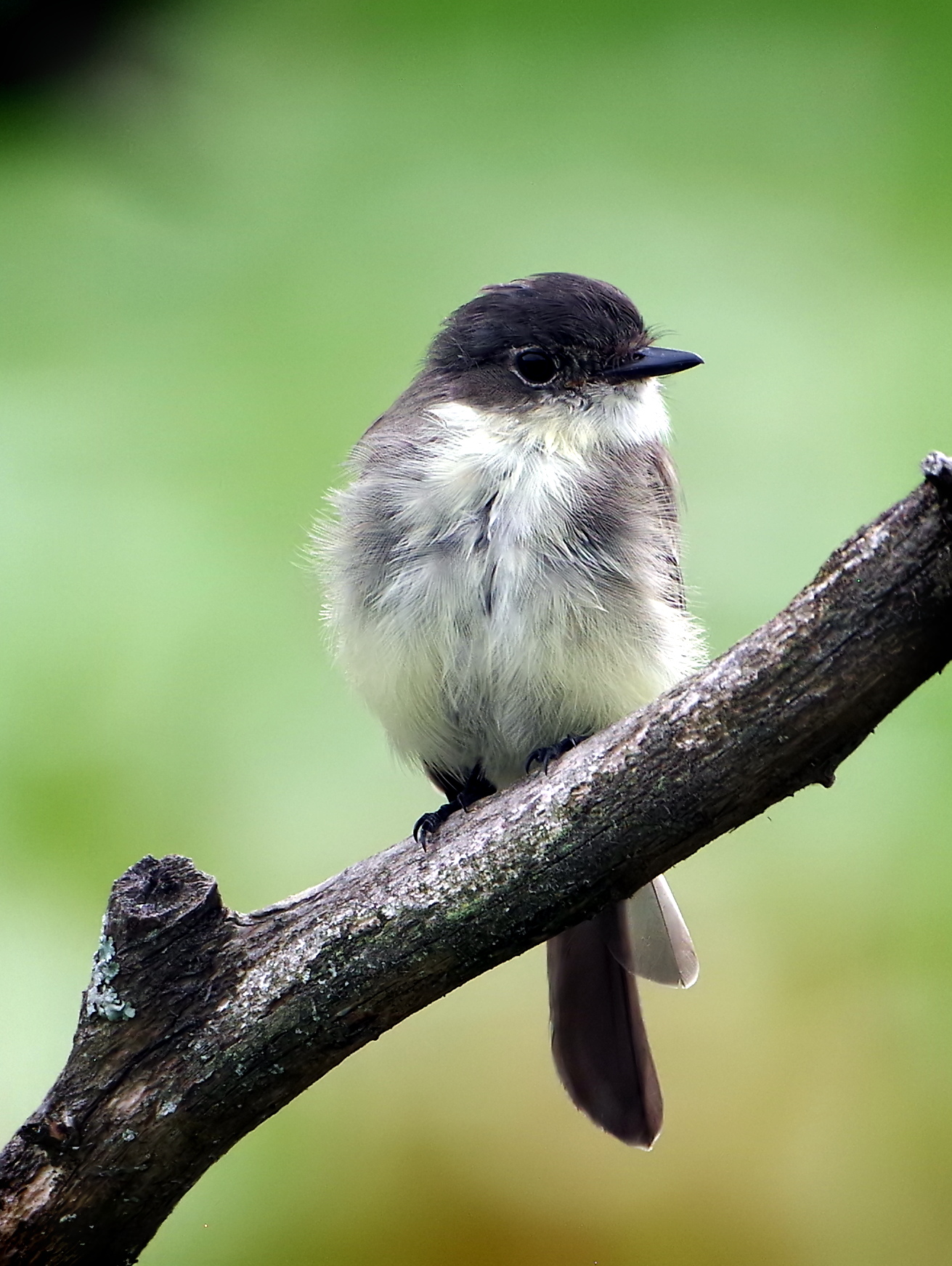
Flycatchers can be hard to identify; I believe this is an Eastern Phoebe but it was not displaying the characteristic tail flick that is common with the species.
An Exploration of Nature
Flycatchers can be hard to identify; I believe this is an Eastern Phoebe but it was not displaying the characteristic tail flick that is common with the species.
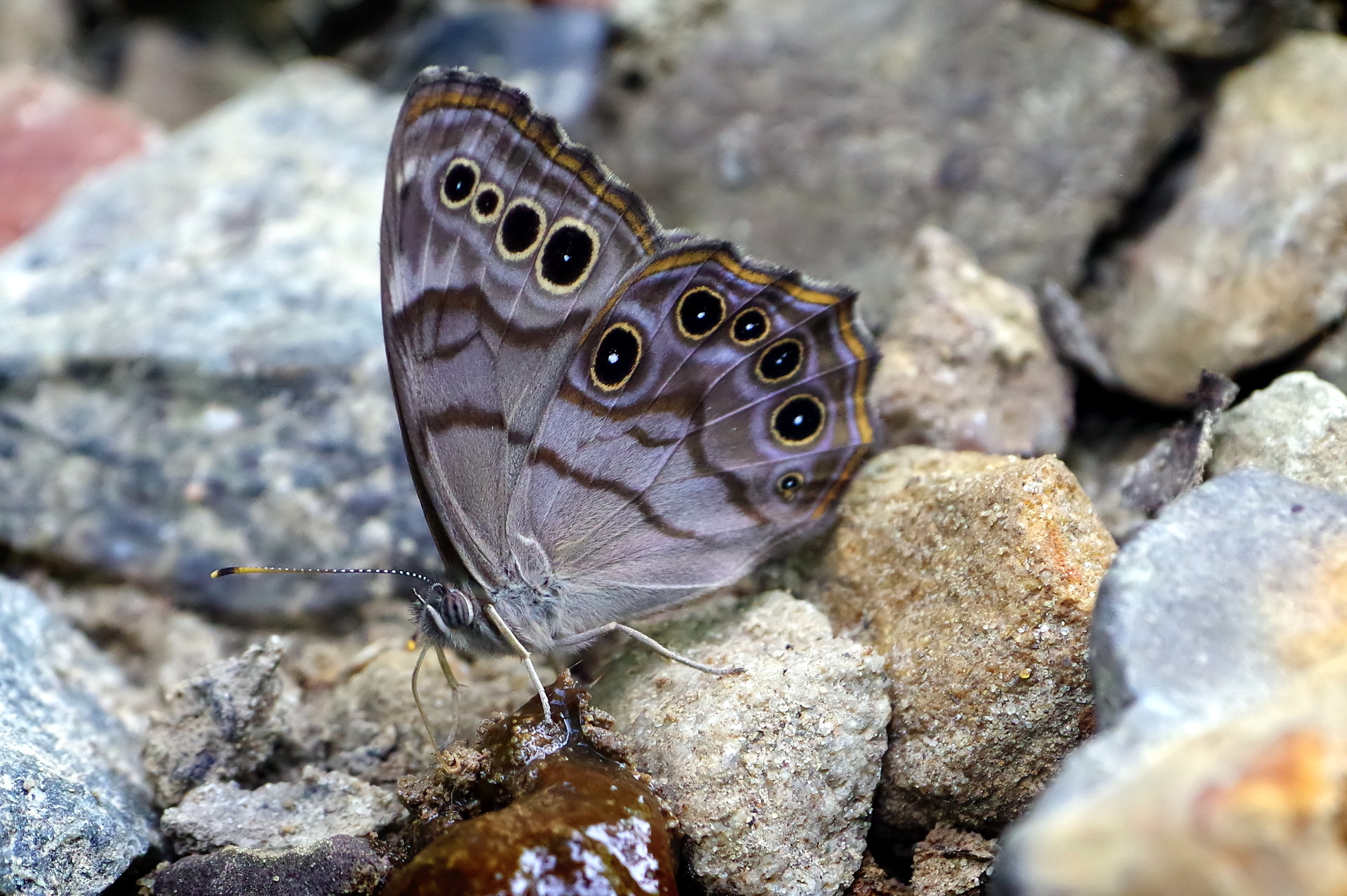
Once you have learned to identify the most common butterflies, the real challenge begins: realizing when you have something completely new on your hands! At first I though this was a Little Wood-Satyr, but the brown line on the wing seemed too jagged and the time wasn’t right: here in the north, the flight of Little Wood-Satyr ends in July. So then I entertained the idea of Eyed Brown. Was the brown muted because I was shooting my photos in the shadows? No. This butterfly is simply not brown enough to be Eyed Brown.
So it was off to the internets to look for alternatives. For now, I’ve settled on Northern Pearly Eye. I am waiting for BAMONA to confirm my tentative id.
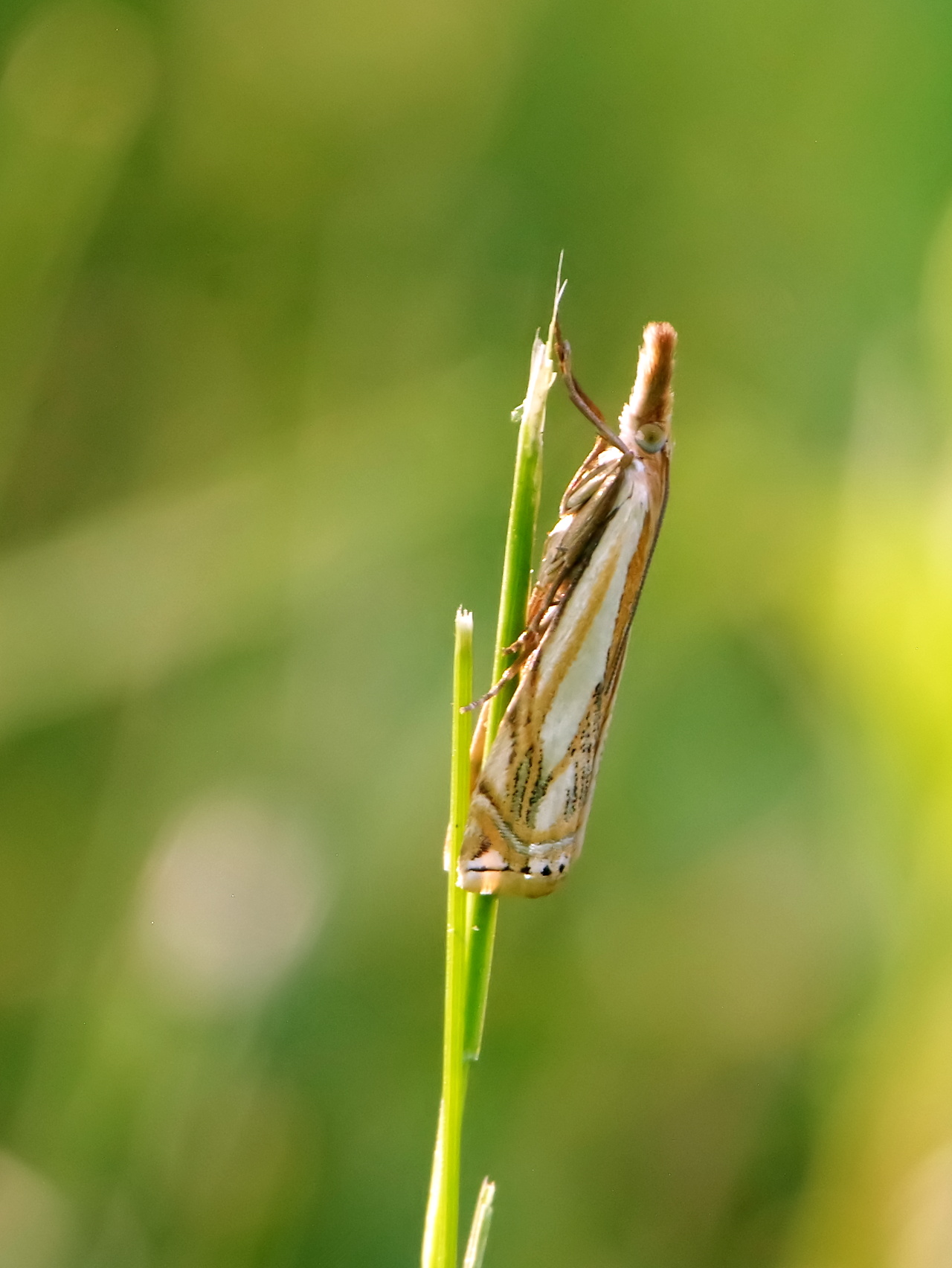
Here is a sampling of the moth species I was able to photograph this month. To start off we have a tiny moth (that’s a blade of grass it is clinging too), known as Crambus agitatellus. It has no common name and few details are known about this moth, but it seems to be quite common across much of eastern North America.
The most curious thing about this moth, the Morbid Owlet, is what little information I could find about it online– essentially nothing but its name.
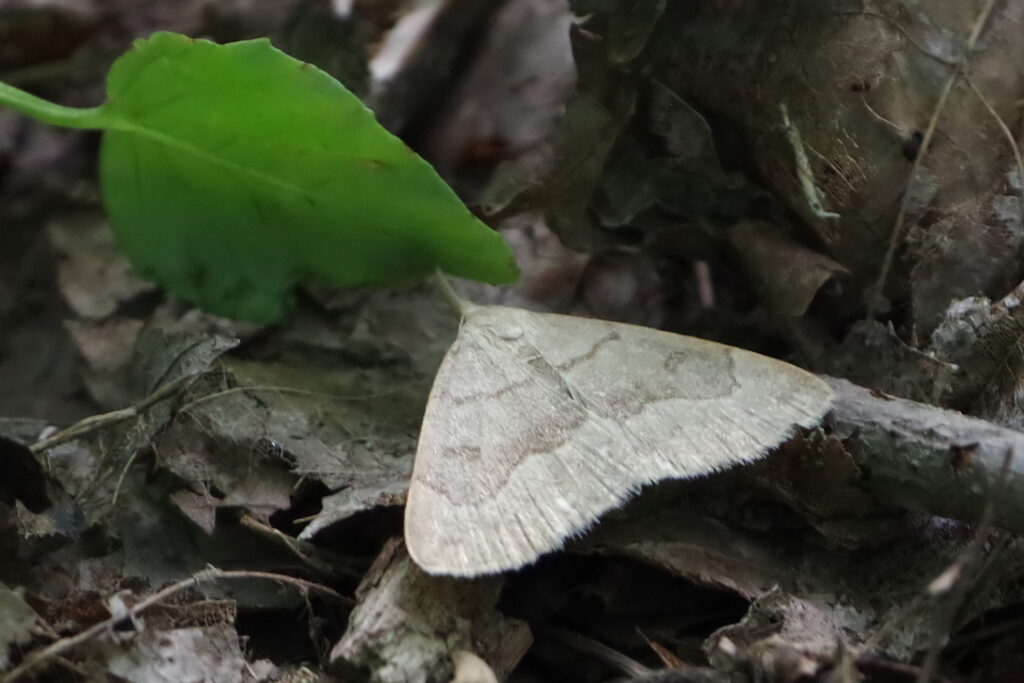
I’ve tentatively identified the below as the Gray Spring Moth. I’ve seen several of this species along the trails in my backyard.
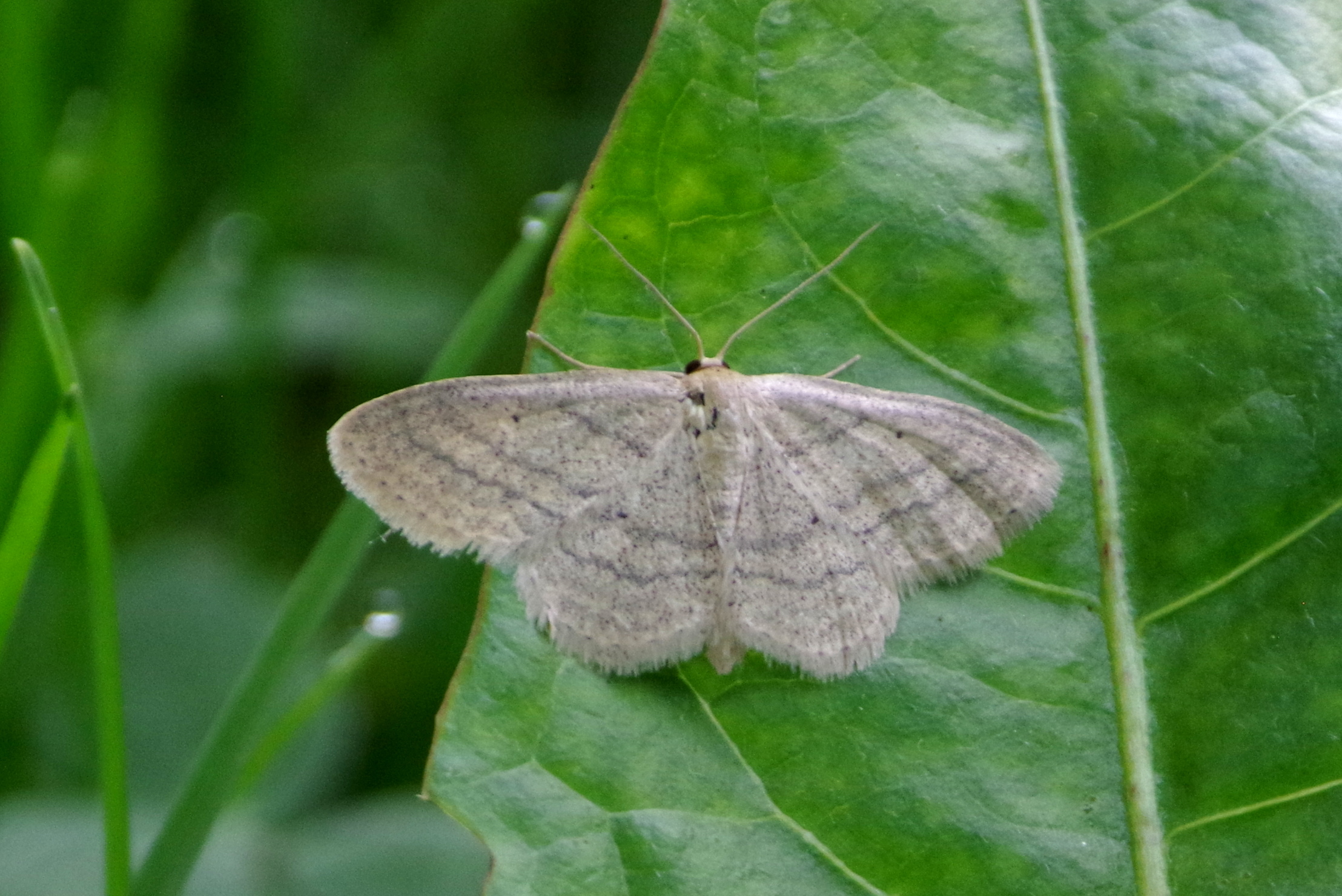
Here we have the first of two moths that I observed along the rail road tracks at Roscoe Ewing Park in Medina: Eusarca confusaria, also known as the Confused Eusarca moth. As you might guess by the name, this moth has a variable appearance and can be easily confused with several other similar species.
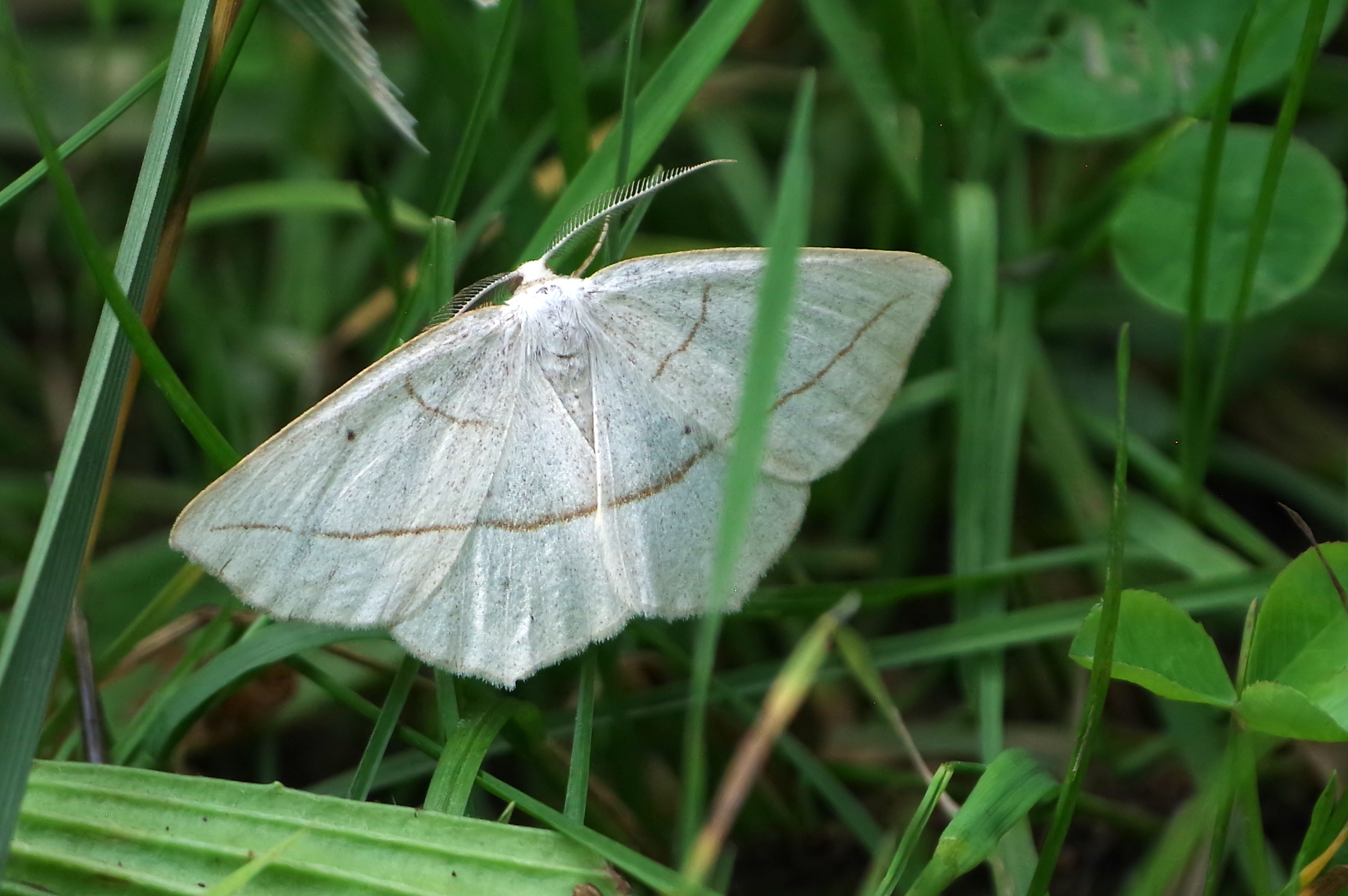
Finally, we have the most photogenic of the group, the Delicate Cycnia. This moth was very interested in a patch of wild mint and was cooperative for a large number of photographs.

I find Skippers hard to identify, and the Zabulon Skipper (Poanes zabulon) is no exception. I submitted this photograph to BAMONA for confirmation that it was in fact a Zabulon, and they confirmed it for me.
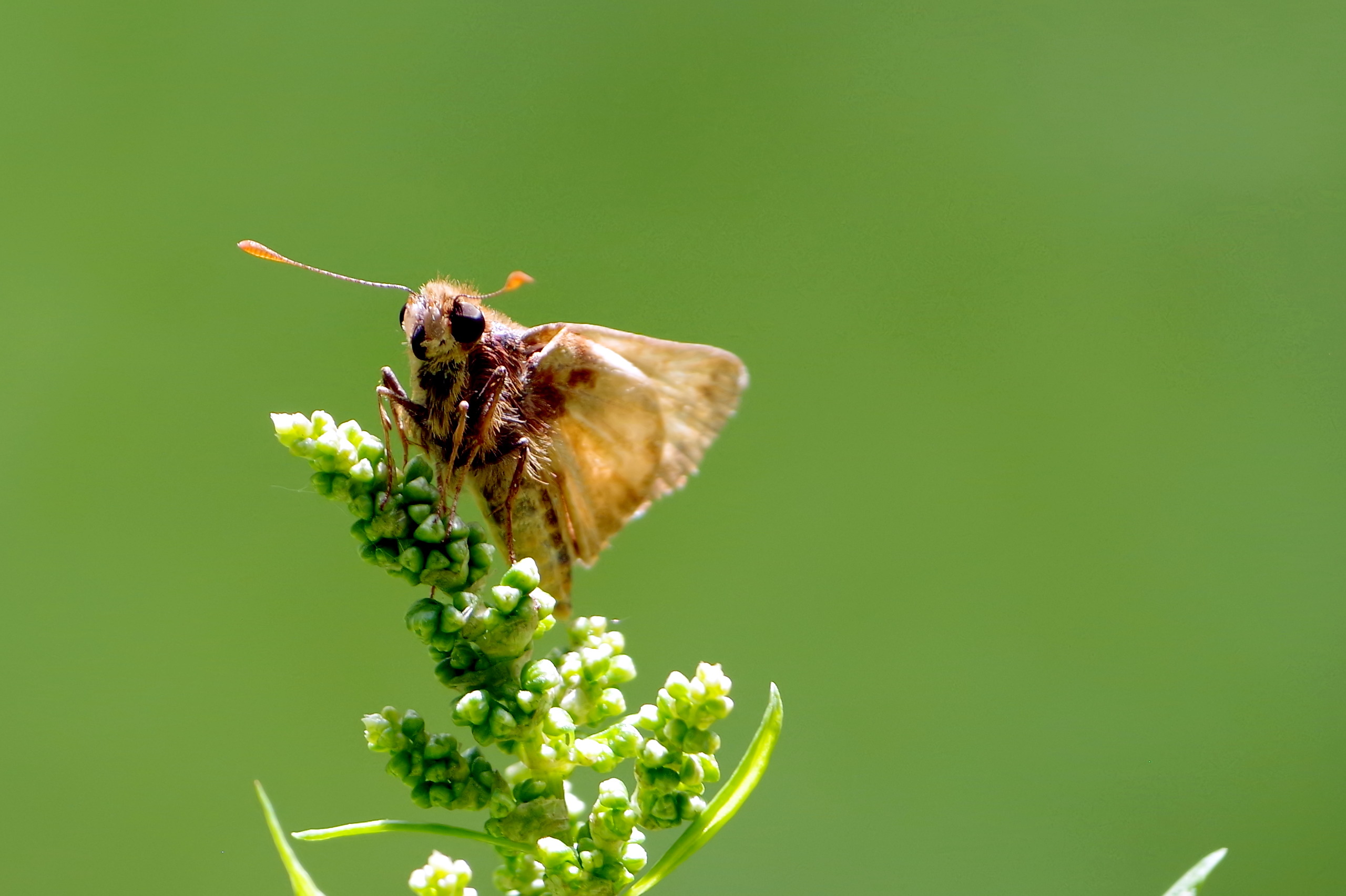
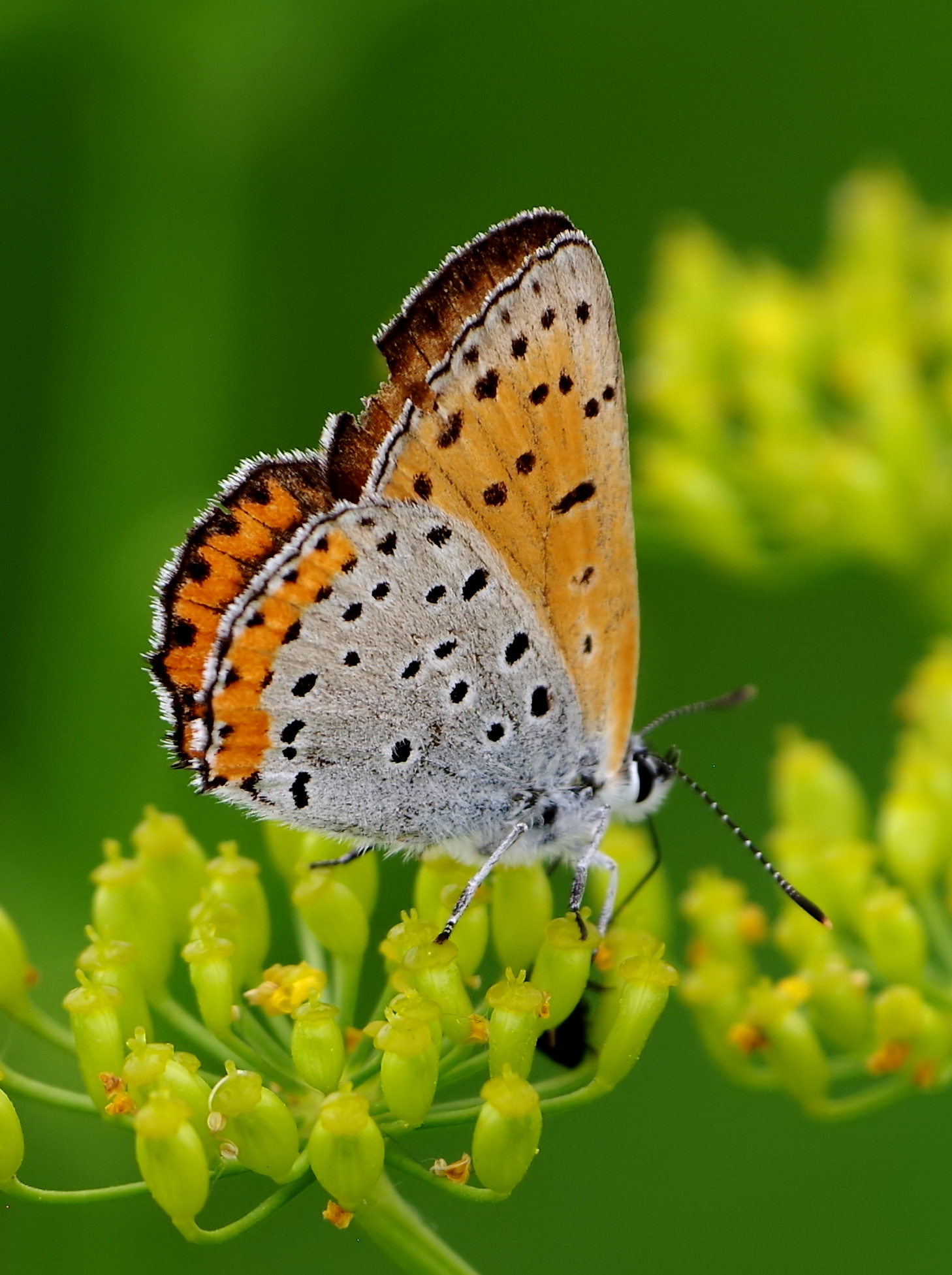
This is the best picture I’ve made of this small butterfly from the Lycaenidae family.
It’s a struggle for the Pileated Woodpecker to hold onto the suet feeder, and also maneuver his bill to reach the suety-goodness inside! That’s what happens when you are a woodpecker, and nearly the size of a crow.

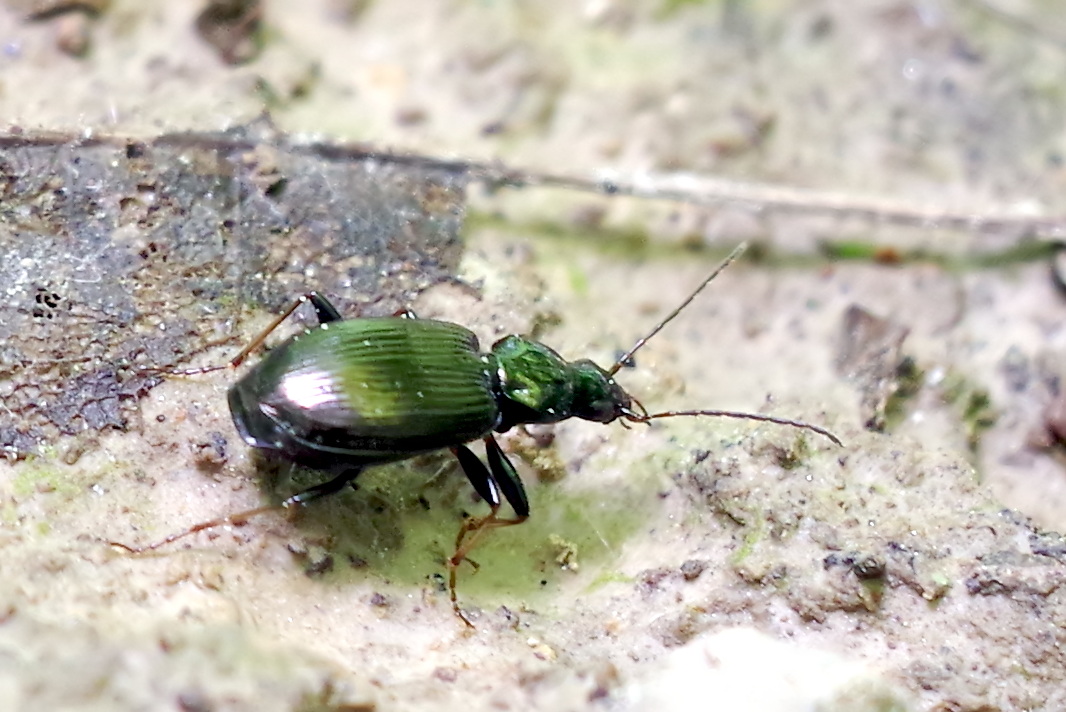
This invasive wood boring beetle is not considered noxious: although it can infest some landscape shrubs, it does not cause widespread death or destruction to our Northeast Ohio ecosystem.

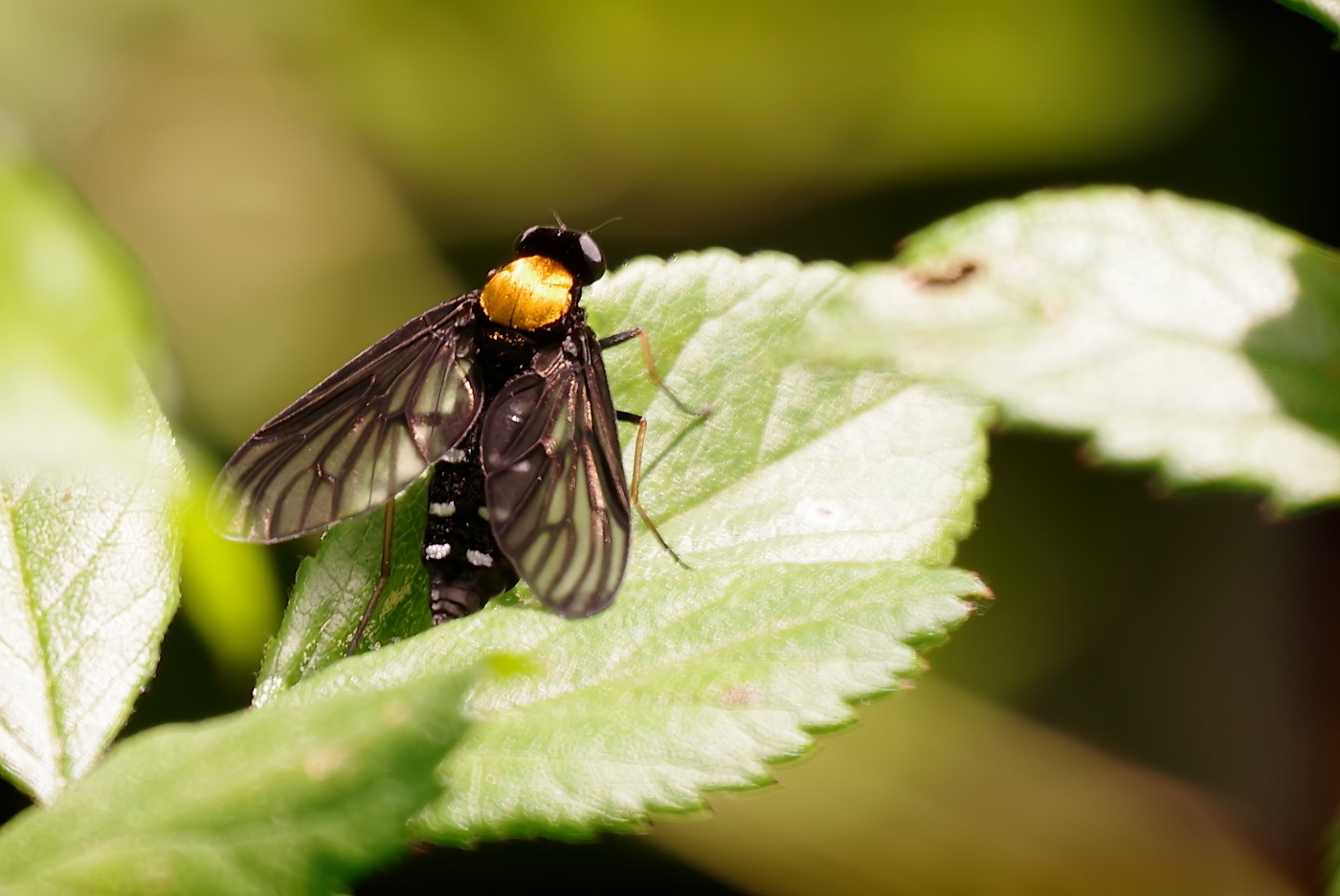
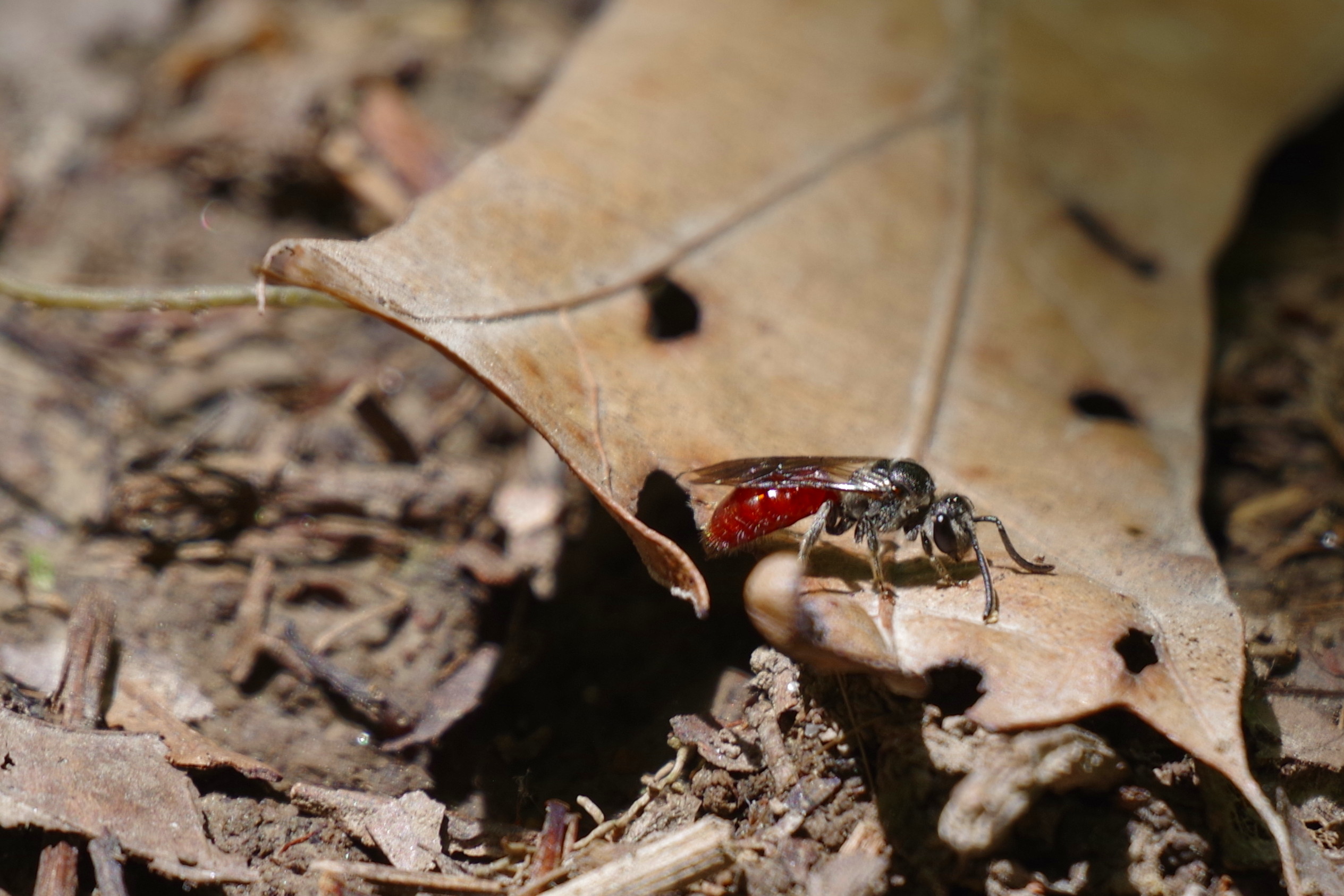
After a rather overcast morning filled with yardwork, the sun came out in the afternoon so I grabbed my camera and looked for something to photograph. Birds were scarce, but insects were plentiful, with several species I had not seen before.
Tanacetum Coccineum a.k.a. the Painted Daisy, is native to Asia but looks great in our backyard.

An outing to Chippewa Inlet Trail produced several new “life birds” for North America, which is rewarding and also a bit of a challenge now that I’m at 176 unique species. (At least, a challenge as long as I’m only birding in Ohio.)
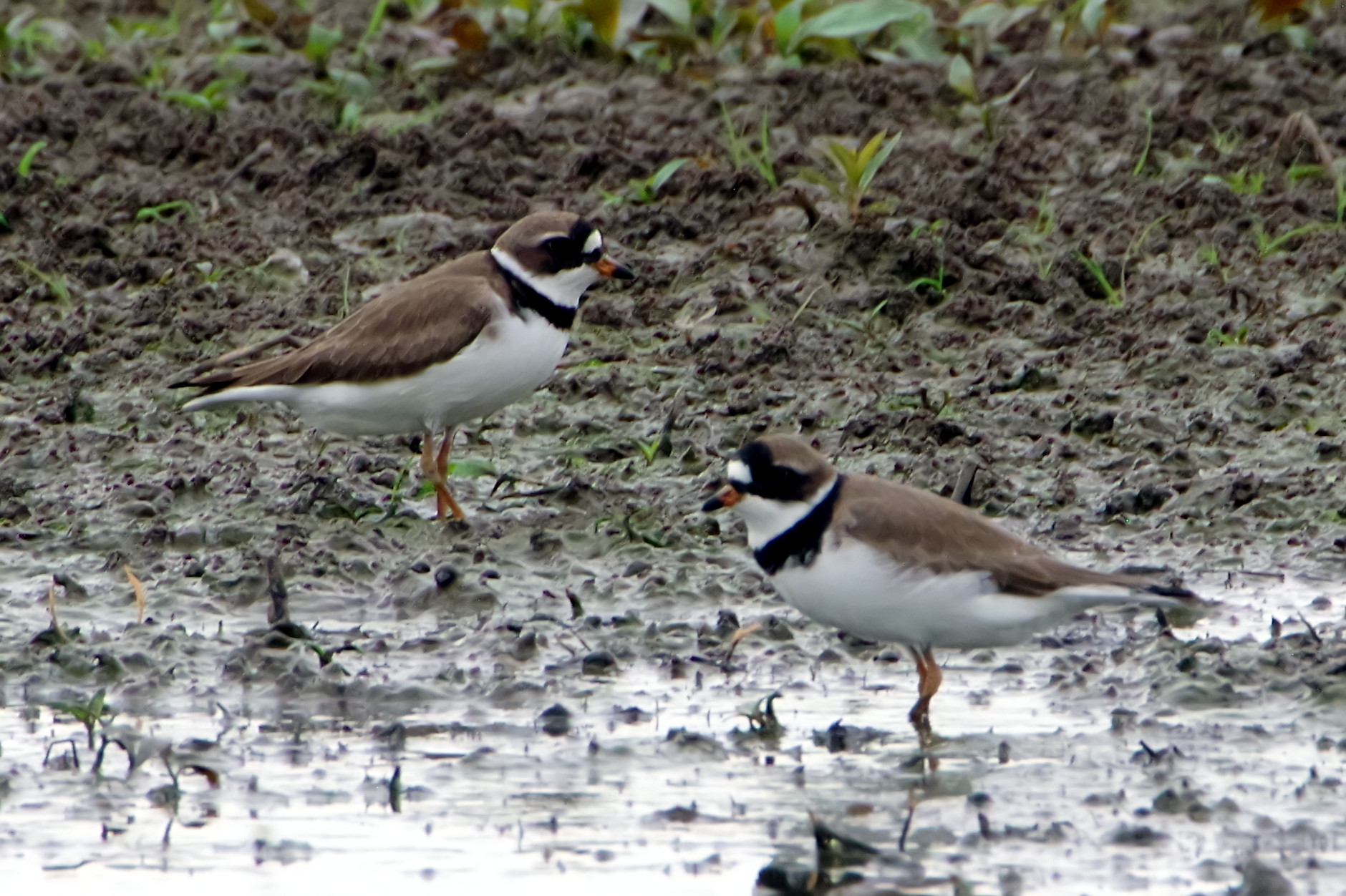
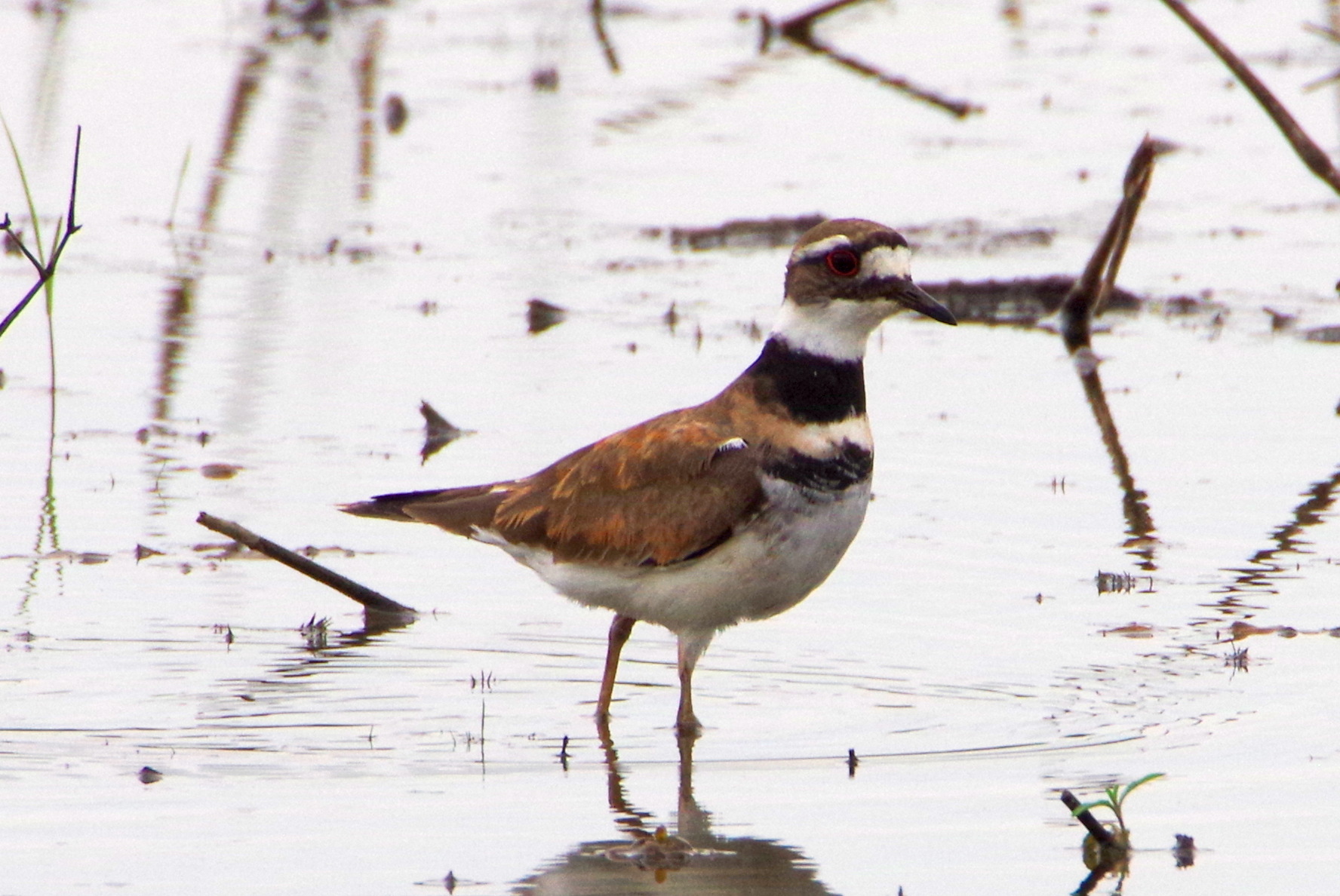
There was a group of shorebirds on a mud flat, and at first I didn’t realize there was anything new because the Semipalmated Plover (the new life-bird) look similar to Killdeer, especially if you are not paying attention. And also especially if they are mixed in with real Killdeer! It was the wife who first noticed that not all of the birds looked quite right for Killdeer.
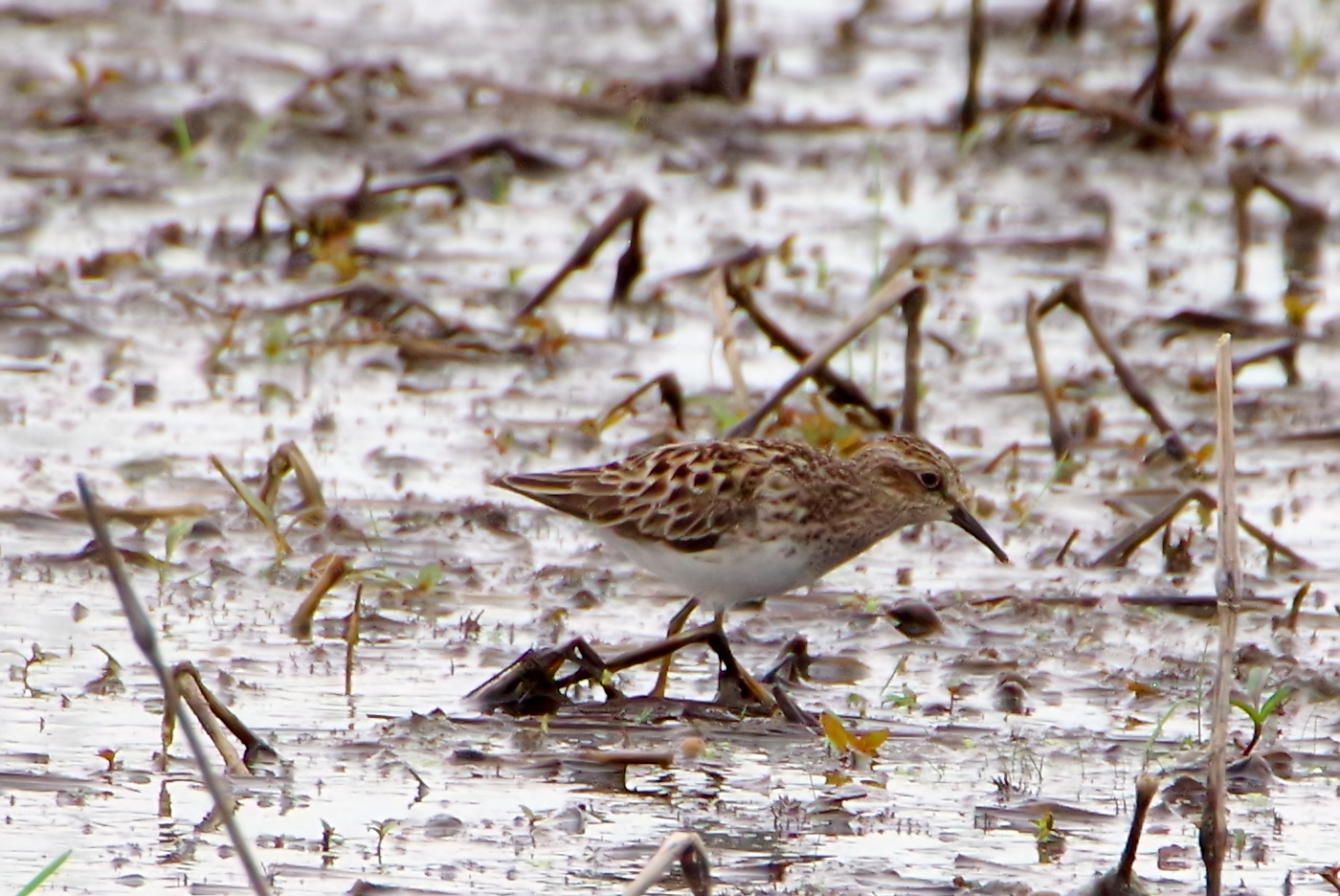
The second new bird was the Least Sandpiper. As implied by the name, they are the smallest of sandpipers, not much larger than a sparrow. The key to correct identification is leg-color (which should be yellow-green) and I struggled for a long time to get a good picture where that detail was visible. The lighting conditions were terrible, with very overcast skies and quite a bit of glare off the water, not to mention that the birds were running around in mud, which can cover and obscure their legs.